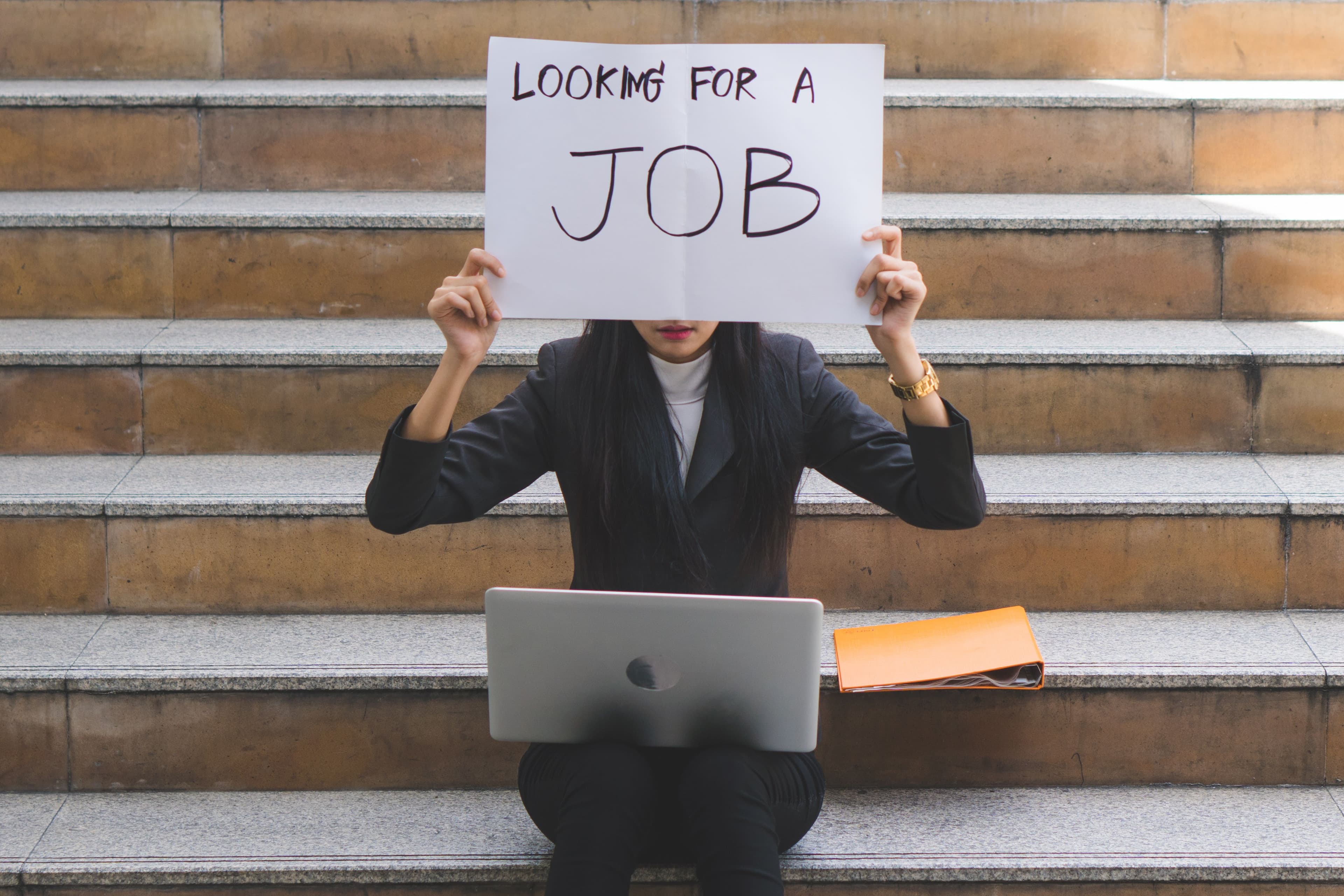
You got the interview. That's something to feel good about.
It means the employer saw something in your experience or skills that caught their attention. Now you have a chance to tell them more about yourself and learn more about the job.
It is completely normal to feel nervous before an interview. You don't need to have the perfect answer to every question. However, spending some time preparing can help you walk into the conversation feeling more confident and at ease.
Here are some simple tips for you before your next job interview.
1. Read the Job Posting Again
You probably read the job posting when you applied, but take another look before your interview.
Pay attention to the skills and experience the employer is looking for.
Think about times you've used those skills in your current or past jobs. You can also use examples from school, volunteer work, training, or other experiences if they're relevant.
For example, if the job requires good customer service skills, think of a time you helped a difficult customer or solved a problem.
If teamwork is important, think of an example of when you worked with others to get something done.
Having a few examples ready can make answering interview questions much easier.
2. Learn a Little About the Company
You don't need to spend hours researching the company.
Start with the basics.
Visit the company's website and learn:
- What they do
- What products or services do they offer
- Where they're located
- Who their customers are
- Anything important that's happened recently
If the company has social media pages, take a quick look at those too.
Knowing a little about the company helps you understand the job better and shows the interviewer that you're interested in the opportunity.
3. Practice Common Interview Questions
You can't know exactly what an interviewer will ask, but some questions come up often.
Practice answering questions like:
- Tell me about yourself.
- Why are you interested in this job?
- What are your strengths?
- Why are you looking for a new opportunity?
- Tell me about a time you solved a problem at work.
- Tell me about a time you worked as part of a team.
- Why should we hire you?
You don't need to memorize your answers word for word.
In fact, it's usually better if you don't. You want the interview to feel like a conversation, not like you're reading from a script.
Instead, think about the main points you want the interviewer to know about you.
4. Have a Few Examples Ready
Interviewers often ask questions that start with something like:
"Tell me about a time when..."
Don't let that throw you off.
They're simply asking for a real example from your experience.
Think about a few situations from previous jobs that you're proud of.
Maybe you:
- Helped a customer solve a problem
- Learned something new quickly
- Worked through a busy or stressful day
- Helped a coworker
- Took on additional responsibility
- Fixed a problem
- Met an important deadline
- Helped your team reach a goal
Try to explain what happened, what you did, and what the result was.
You may hear this called the STAR method: Situation, Task, Action, Result. Don't worry too much about remembering the name. The important part is telling a clear story about what you did and how it turned out.
5. Use AI to Help You Practice
AI tools can be useful when you're preparing for an interview.
For example, you can ask an AI tool to give you practice interview questions based on the job you're applying for.
You could try a prompt like:
"I'm interviewing for a customer service representative job. Give me five common interview questions and let me practice answering them one at a time."
You can also paste the text of a job description into an AI tool and ask:
"What interview questions might I be asked for this job?"
Then practice answering them out loud.
AI can also help you think about ways to improve an answer, but don't ask it to create a personality or experience that isn't yours.
Your answers should still sound like you.
Think of AI as a practice partner, not the person taking the interview for you.
6. Know What You're Going to Wear
You don't need an expensive new outfit for an interview.
Choose something that's clean, comfortable, and appropriate for the type of job you're applying for.
What's appropriate can be different depending on the workplace. An interview for a corporate office may call for something different than an interview at a warehouse, hospital, restaurant, construction company, or manufacturing facility.
When you're unsure, it's okay to ask the recruiter or person scheduling the interview what they recommend.
Most importantly, choose your clothes ahead of time so you're not worrying about them on the day of your interview.
7. Get the Details Ahead of Time
A little planning can make interview day much easier.
For an in-person interview, make sure you know:
- The address
- Where to park or how you'll get there
- Who are you meeting
- What time do you need to arrive
- Whether you need to bring anything
Give yourself extra time so you aren't rushing.
For a video interview, test your camera, microphone, and internet connection ahead of time. Find a quiet place where you can talk without too many distractions.
For a phone interview, make sure your phone is charged, and you're somewhere you can hear clearly.
8. Bring What You Need
For an in-person interview, it's a good idea to bring a few copies of your resume.
You may also want to bring:
- A list of references, if requested
- Certifications or licenses, if they're relevant to the job.
- A notebook and a pen
- Any documents the employer asked you to bring
Having everything ready the night before means one less thing to think about in the morning.
9. Prepare Questions to Ask
An interview isn't only about the employer deciding whether you're right for the job.
It's also your chance to decide whether the job is right for you.
Have a few questions ready.
You could ask:
- What does a typical day in this job look like?
- What would you like the person in this role to accomplish in the first few months?
- What kind of training will I receive?
- Who would I be working with?
- What do you enjoy about working here?
- What are the next steps in the hiring process?
You don't need to ask all of them. Pick the ones that matter to you.
10. Remember: It's a Conversation
This may be the most important tip.
An interview isn't a test where you have to get every answer right.
The employer wants to learn about you, but you're also learning about them.
Listen to the questions. Take a second to think before answering if you need to. If you don't understand a question, it's okay to ask the interviewer to explain it.
And be yourself.
The goal isn't to give a "perfect" interview. It's to help both you and the employer decide whether the opportunity is a good fit.
What Should You Do After a Job Interview?
Once the interview is over, take a few minutes to think about how it went.
Write down anything you want to remember about the job, the people you met, and the questions they asked.
If you have the interviewer's contact information, you can also send a short thank-you email.
It doesn't need to be complicated.
Something as simple as:
Thank you for taking the time to speak with me today. I enjoyed learning more about the position and your team. I'm very interested in the opportunity and look forward to hearing from you.
Then give the employer time to complete their hiring process.
If they gave you a timeline for next steps, use that as your guide for when to follow up.
Quick Interview Checklist
Before your interview, make sure you:
- Read the job description again.
- Learn a little about the company.
- Practice answering a few common interview questions.
- Think of examples from your work experience.
- Prepare two or three questions to ask.
- Choose what you're going to wear.
- Confirm the time and location or video link.
- Bring anything the employer requested.
- Give yourself plenty of time to arrive or log in.
And remember: Preparedness beats perfection!
Frequently Asked Questions About Job Interviews
How early should I arrive for an interview?
For an in-person interview, arriving about 10 to 15 minutes early is usually a good idea. Give yourself extra travel time so traffic, parking, or other delays don't leave you rushing.
For a virtual interview, try to be ready and logged in a few minutes before the scheduled time.
How long does a job interview usually last?
It depends on the job and the employer. Some interviews may last 20 or 30 minutes, while others can take an hour or longer. You may also meet with more than one person or have several rounds of interviews.
What should I bring to a job interview?
Bring copies of your resume and anything the employer specifically asked you to bring. Depending on the job, that could include identification, certifications, licenses, a portfolio, or references.
What if I don't know the answer to an interview question?
It's okay to take a moment to think.
You can say something like, "That's a good question. Let me think about that for a second."
If you haven't experienced the exact situation they're asking about, be honest and talk about a similar experience or explain how you would handle it.
Can I use AI to prepare for an interview?
Yes. AI can help you generate practice questions, review a job description, or practice answering common interview questions.
Use it to help you prepare—not to invent answers or experiences you don't have. Your interview should still reflect who you are and what you've actually done.
Ready for Your Interview?
Getting an interview means you've already made it through an important step.
Now give yourself some time to prepare.
Learn about the company. Think about the experience you want to share. Practice a few questions. And remember that you're there to learn about the opportunity too.
A little preparation can go a long way toward helping you walk into your next interview feeling ready.
And when you're ready to explore your next opportunity, find jobs and career resources on MyCareers.net/jobs.